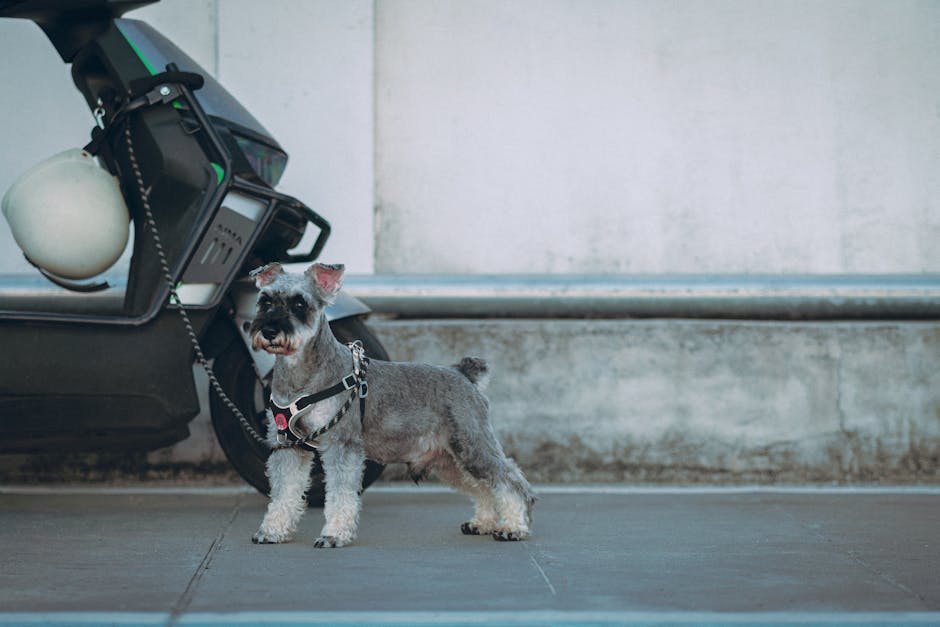
If you’re a pet owner, you know how important it is to create a safe, enjoyable, and welcoming environment for your furry friends. But have you ever considered the impact of your neighborhood or “pet street” on your pet’s well-being? A pet-friendly street isn’t just about your home—it’s about fostering a community that prioritizes the needs of pets and their owners. Here are simple, actionable steps to transform your street into a haven for pets and their families.
1. Organize Regular Pet Clean-Up Days
One of the most common complaints in neighborhoods with pets is the mess left behind by animals. A clean street is not only more pleasant for everyone but also safer for pets and people alike. Organize a monthly pet clean-up day where neighbors come together to pick up waste, trim overgrown grass, and remove any hazards like broken glass or debris. Provide biodegradable waste bags and encourage everyone to carry them during walks. This initiative fosters a sense of responsibility and community pride.
2. Advocate for Pet-Friendly Landscaping
Landscaping can make or break a pet-friendly street. Work with your neighbors and local authorities to ensure public spaces are designed with pets in mind. For example, opt for plants that are non-toxic to animals and avoid using harmful pesticides or fertilizers. Consider creating designated pet play areas with soft ground coverings like mulch or sand to prevent injuries. Adding shaded spots and water stations can also make walks more comfortable for pets on hot days.
3. Promote Leash Etiquette and Safe Walking Practices
A pet-friendly street is one where everyone feels safe, including those who may not be comfortable around animals. Encourage neighbors to follow leash laws and keep their pets under control while walking. Post friendly reminders in common areas or create a neighborhood newsletter with tips on responsible pet ownership. For pet owners with reactive or anxious pets, suggest quieter walking routes or designated off-leash hours in specific areas.
4. Establish a Neighborhood Pet Watch Program
Just as a neighborhood watch program keeps residents safe, a pet watch program can help protect animals. Create a system where neighbors look out for lost or distressed pets and report them to their owners or local shelters. Share contact information among pet owners so you can quickly notify each other if a pet goes missing. You can also organize regular check-ins for elderly or disabled neighbors who may need help caring for their pets.
5. Host Pet-Friendly Events
Building a strong community is key to improving your pet street. Host events that bring pet owners and their furry friends together, such as a “Paws in the Park” picnic, a pet costume contest, or a training workshop. These events not only strengthen bonds between neighbors but also provide opportunities for pets to socialize and burn off energy. Encourage everyone to participate, even if they don’t own pets, to create an inclusive atmosphere.
6. Educate Neighbors on Pet Safety and Health
Knowledge is power when it comes to creating a pet-friendly street. Organize informational sessions or distribute flyers on topics like pet first aid, seasonal hazards (e.g., heatstroke in summer or antifreeze poisoning in winter), and the importance of vaccinations. Partner with local veterinarians or pet experts to provide valuable insights. The more informed your community is, the safer and healthier the environment will be for all pets.
7. Advocate for Pet-Friendly Policies
If your street or neighborhood lacks pet-friendly amenities, take the initiative to advocate for change. Work with local authorities to install pet waste stations, add signage for pet crossing areas, or designate specific zones for off-leash play. Gather support from fellow pet owners and present a well-organized proposal to your city council or neighborhood association. Small changes can make a big difference in creating a welcoming environment for pets.
8. Foster a Culture of Respect and Understanding
Not everyone is a pet lover, and that’s okay. A truly pet-friendly street respects the needs and boundaries of all residents. Encourage open communication between pet owners and non-pet owners to address concerns and find solutions. For example, if a neighbor is afraid of dogs, suggest alternative walking paths or times for pet owners to minimize interactions. A little understanding goes a long way in maintaining harmony.
9. Support Local Pet Businesses and Services
A thriving pet-friendly street often includes local businesses that cater to pets and their owners. Support pet stores, groomers, trainers, and veterinarians in your area by spreading the word and patronizing their services. You can also collaborate with these businesses to host events or offer discounts to neighborhood residents. A strong local pet economy benefits everyone, including the animals.
10. Lead by Example
Finally, the most effective way to improve your pet street is to lead by example. Be a responsible pet owner, follow the rules, and actively participate in community initiatives. Your actions will inspire others to do the same, creating a ripple effect that transforms your neighborhood into a true pet paradise.
Improving your pet street doesn’t require grand gestures—it’s the small, consistent efforts that make the biggest impact. By working together as a community, you can create a safe, welcoming, and enjoyable environment for pets and their owners. Start today, and watch your neighborhood transform into a haven for all its furry residents.