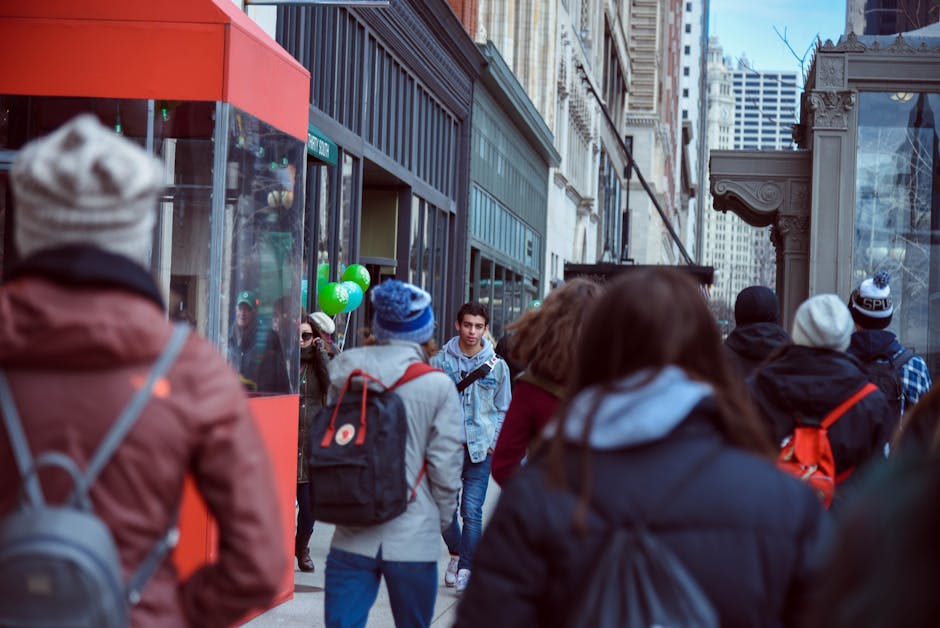
As urban populations continue to grow, cities around the world are evolving to meet the demands of modern life. From sustainability initiatives to technological advancements, the future of city living is being shaped by a range of innovative trends. These developments promise to transform how we live, work, and interact in urban environments. Here’s a closer look at the top trends that are redefining the urban experience.
Sustainable Urban Design
Sustainability has become a cornerstone of modern city planning. Cities are increasingly adopting eco-friendly practices to reduce their environmental footprint. For example, Copenhagen aims to become the world’s first carbon-neutral capital by 2025, investing in renewable energy, green roofs, and extensive cycling infrastructure. Similarly, Singapore has integrated vertical gardens and rainwater harvesting systems into its urban landscape to combat pollution and promote biodiversity.
Actionable Guidance: Advocate for local initiatives that prioritize green spaces, renewable energy, and sustainable transportation. Supporting policies that encourage energy-efficient buildings and waste reduction can also make a significant impact.
The Rise of Smart Cities
Smart cities leverage technology to improve the quality of life for residents. From energy-efficient streetlights to real-time traffic management systems, these innovations are making urban living more efficient and convenient. Barcelona, for instance, uses IoT sensors to monitor air quality, optimize waste collection, and manage water usage. In Seoul, a smart city app provides residents with access to public services, transportation schedules, and emergency alerts.
Actionable Guidance: Stay informed about smart city initiatives in your area and participate in pilot programs or feedback sessions. Embracing technology in your daily life, such as using apps for public transit or energy monitoring, can also contribute to a smarter urban ecosystem.
Affordable Housing Innovations
The global housing crisis has led to creative solutions for affordable living. Modular housing, co-living spaces, and adaptive reuse of existing buildings are gaining traction. In Vienna, the city government has implemented social housing programs that provide high-quality, affordable apartments for residents. Meanwhile, startups in cities like Los Angeles are using modular construction techniques to build homes quickly and cost-effectively.
Actionable Guidance: Support policies that promote affordable housing and explore alternative living arrangements, such as co-living or micro-apartments, to reduce costs. Engaging with community organizations advocating for housing equity can also drive meaningful change.
Focus on Health and Well-being
Urban planners are prioritizing health and well-being by designing cities that encourage physical activity and mental wellness. Walkable neighborhoods, access to parks, and community gardens are becoming standard features in many cities. Melbourne, Australia, has transformed its laneways into vibrant public spaces filled with art, greenery, and seating areas. In the UK, the NHS has partnered with local authorities to create “healthy streets” that promote walking and cycling.
Actionable Guidance: Incorporate physical activity into your daily routine by walking or cycling whenever possible. Participate in local initiatives to create green spaces and advocate for policies that prioritize public health in urban planning.
Enhanced Public Transportation
Efficient and accessible public transportation is essential for reducing congestion and pollution in cities. Many urban centers are investing in electric buses, expanded metro systems, and bike-sharing programs. Paris has introduced a network of electric scooters and bikes to complement its public transit options, while Tokyo continues to set the standard for punctual and extensive rail networks.
Actionable Guidance: Opt for public transportation, cycling, or walking over driving whenever feasible. Support investments in transit infrastructure and advocate for policies that make public transport more affordable and accessible.
Community-Centric Spaces
Modern cities are fostering a sense of community by creating spaces where residents can gather, connect, and collaborate. Pop-up markets, public art installations, and co-working spaces are becoming increasingly popular. In New York City, the High Line has transformed an abandoned railway into a vibrant public park that attracts millions of visitors each year. Similarly, Lisbon’s LX Factory is a hub for creativity, offering everything from cafes to workshops.
Actionable Guidance: Engage with your community by attending local events, volunteering, or joining neighborhood groups. Supporting initiatives that create inclusive and accessible public spaces can strengthen social ties and enhance urban living.
Conclusion
The future of city living is being shaped by a commitment to sustainability, technological innovation, and community well-being. By embracing these trends and advocating for progressive policies, urban residents can play a pivotal role in creating cities that are not only livable but also thriving. As cities continue to evolve, the focus on inclusivity, efficiency, and resilience will ensure that urban living remains dynamic and fulfilling for generations to come.
Mastering the Art of Effortless Beauty
Creating a flawless look doesn’t have to involve hours in front of the mirror. The key lies in understanding your unique features and enhancing them with simplicity. Start with a clean, moisturized base—hydration is the foundation of radiant skin. Opt for lightweight foundations or tinted moisturizers that let your natural glow shine through. A touch of bronzer can add warmth, while a swipe of mascara and a neutral lip color complete the look without overwhelming it.
When Less Is More
Minimalism is the secret weapon of many beauty enthusiasts. Instead of layering multiple products, focus on one standout feature. For example, a bold lip paired with subtle eyes creates a striking yet balanced effect. Similarly, a glowing complexion with barely-there makeup can look incredibly chic. The goal is to highlight your best assets without masking your individuality.
Comparing Day and Night Routines
Your beauty routine should adapt to the time of day and the occasion. For daytime, prioritize lightweight products that withstand the hustle and bustle of daily life. Think SPF-infused foundations, waterproof mascaras, and long-lasting lip stains. At night, you can afford to be a bit more dramatic. Experiment with smoky eyes, bold lip colors, and shimmery highlights to elevate your look for evening events.
Real-World Scenarios
Imagine you’re heading to a brunch with friends. A fresh-faced look with a hint of blush and glossy lips is perfect for the casual setting. Alternatively, if you’re attending a formal dinner, a sleek updo paired with a classic red lip can make a timeless statement. The key is to tailor your approach to the context, ensuring you feel confident and comfortable in every situation.
Practical Tips for Everyday Glam
Invest in multitasking products to streamline your routine. A cream blush that doubles as a lip tint or an eyeshadow palette with versatile shades can save time and space. Keep a small beauty kit in your bag for quick touch-ups throughout the day. Include essentials like blotting papers, a compact mirror, and a travel-sized lipstick for on-the-go maintenance.
Embracing Your Unique Style
Ultimately, beauty is about self-expression. Don’t be afraid to experiment with trends or techniques that resonate with you. Whether you prefer a natural aesthetic or love playing with bold colors, the most important thing is to feel like yourself. Confidence is the best accessory you can wear.