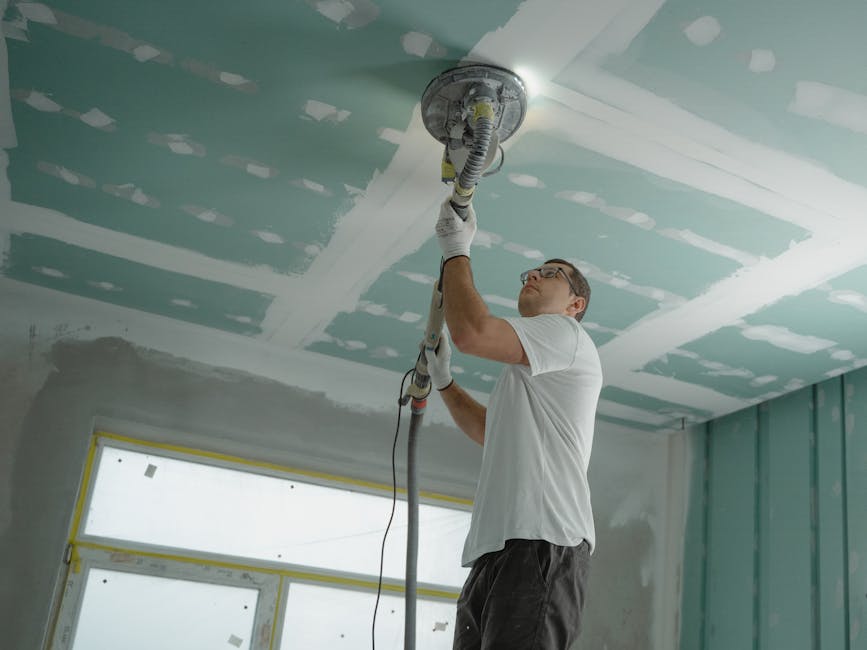
Home improvement projects can be incredibly rewarding, but they often come with their fair share of challenges. Whether you’re a seasoned DIY enthusiast or a first-time homeowner, it’s easy to fall into common pitfalls that can lead to frustration, wasted time, and even costly repairs. In this article, we’ll explore some of the most frequent mistakes people make when tackling home fixes and provide actionable advice on how to avoid them.
1. Skipping the Planning Phase
One of the most common mistakes is diving into a project without proper planning. Enthusiasm is great, but without a clear plan, you risk running into unexpected issues that could have been avoided.
Example: Starting a bathroom renovation without first measuring the space or creating a layout can lead to mismatched fixtures or insufficient storage.
Solution: Take the time to map out your project. Create a detailed plan that includes measurements, a timeline, and a budget. Consider consulting with a professional if you’re unsure about any aspect of the project.
2. Ignoring Safety Precautions
Safety should always be a top priority when working on home fixes. Unfortunately, many people overlook basic safety measures, which can result in accidents or injuries.
Example: Failing to wear protective gear when using power tools or not turning off the electricity when working on electrical fixtures can have serious consequences.
Solution: Always wear the appropriate safety gear, such as gloves, goggles, and masks. Make sure to turn off the power supply when working on electrical systems and use a voltage tester to confirm that the power is off. If you’re unsure about how to safely complete a task, it’s best to hire a professional.
3. Underestimating the Budget
Another common mistake is underestimating the cost of a home fix project. Unexpected expenses can quickly add up, leaving you with a half-finished project and a drained bank account.
Example: Budgeting only for the cost of materials for a kitchen remodel but not accounting for labor, permits, or unforeseen issues like plumbing or electrical problems.
Solution: Always create a detailed budget that includes a contingency fund for unexpected expenses. Research the costs of materials and labor in advance, and be prepared to adjust your budget if necessary.
4. Using the Wrong Tools or Materials
Using the wrong tools or materials can not only make the job more difficult but can also compromise the quality and durability of the finished project.
Example: Using interior paint for an exterior project, which can lead to peeling and fading, or using a screwdriver when a power drill is needed, resulting in stripped screws and wasted time.
Solution: Make sure you have the right tools and materials for the job before you start. If you’re unsure, consult with a hardware store expert or a professional contractor. Investing in quality tools and materials can save you time and money in the long run.
5. Overlooking Permits and Regulations
Many homeowners overlook the need for permits and fail to comply with local building codes, which can lead to fines, delays, or even the need to undo completed work.
Example: Starting a major renovation without obtaining the necessary permits, which can result in a stop-work order from the local building authority.
Solution: Check with your local building department to determine if permits are required for your project. Make sure to follow all local building codes and regulations to avoid any legal issues.
6. Rushing Through the Project
Impatience can lead to cutting corners, which can compromise the quality of the work and lead to future problems.
Example: Applying a second coat of paint before the first coat is fully dry, resulting in uneven coverage and bubbling.
Solution: Take your time to ensure each step of the project is completed correctly. Follow the manufacturer’s instructions for materials and allow adequate drying or curing times. Patience is key to achieving a professional-looking finish.
7. Ignoring Maintenance and Repairs
Neglecting regular maintenance and minor repairs can lead to bigger, more expensive problems down the road.
Example: Ignoring a small leak in the roof, which can eventually lead to water damage, mold growth, and structural issues.
Solution: Regularly inspect your home for any signs of wear and tear. Address minor issues promptly to prevent them from escalating into major problems. Create a maintenance schedule to keep track of tasks like cleaning gutters, checking for leaks, and servicing your HVAC system.
Conclusion
Home fixes and improvements can be a great way to enhance your living space, but they require careful planning, attention to detail, and a commitment to safety. By avoiding these common mistakes and following the tips provided, you can ensure that your projects are successful, cost-effective, and long-lasting. Remember, when in doubt, don’t hesitate to seek professional advice or assistance to achieve the best results.