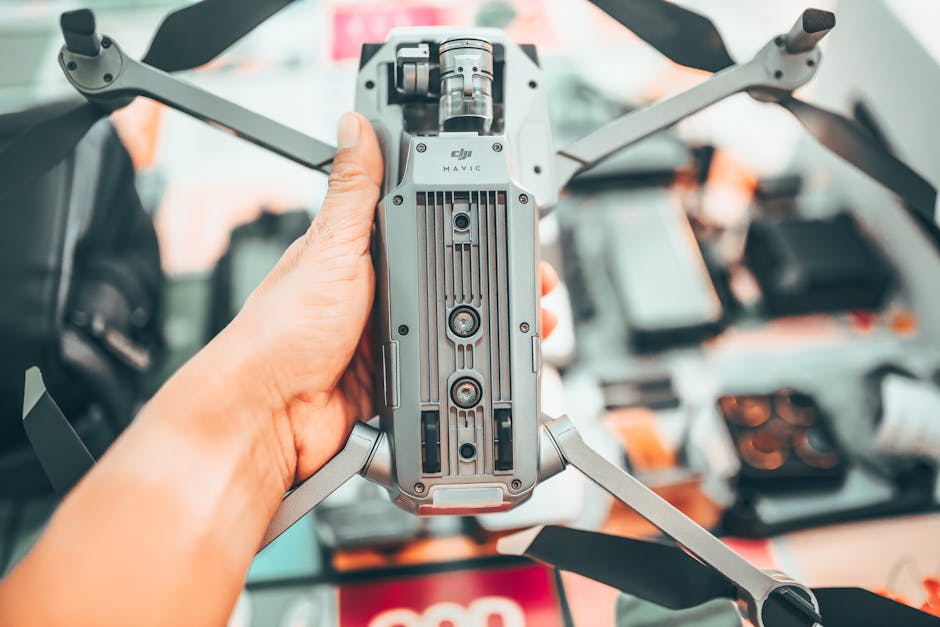
From fitness trackers to smartwatches, technology has revolutionized the way we interact with wearable devices. Smart gear is no longer just about counting steps or telling time—it’s becoming an integral part of our daily lives, enhancing convenience, health, and even safety. Here’s how cutting-edge innovations are reshaping the landscape of smart gear.
The Evolution of Wearable Technology
Wearable technology has come a long way since the first basic pedometers. Today’s smart gear is packed with sensors, connectivity features, and advanced algorithms that provide real-time insights. For example, modern fitness trackers can monitor heart rate variability, sleep patterns, and even blood oxygen levels, offering users a comprehensive view of their health.
Smartwatches have also evolved beyond simple notifications. Devices like the Apple Watch and Samsung Galaxy Watch now include ECG monitors, fall detection, and emergency SOS features, making them indispensable for both fitness enthusiasts and those with medical concerns.
Health and Wellness Innovations
One of the most significant impacts of smart gear is in the health and wellness sector. Wearables are now being used to detect early signs of medical conditions. For instance, some devices can identify irregular heart rhythms that may indicate atrial fibrillation, prompting users to seek medical attention before a serious issue arises.
Another breakthrough is the integration of mental health tracking. Certain smartwatches now include stress monitors that analyze heart rate and activity levels to suggest breathing exercises or mindfulness sessions. This holistic approach to health is empowering users to take proactive steps toward well-being.
Case Study: Smart Gear in Chronic Disease Management
Diabetes patients, for example, benefit from continuous glucose monitors (CGMs) that sync with smartphones and smartwatches. These devices provide real-time blood sugar readings, reducing the need for frequent finger pricks. Similarly, smart inhalers for asthma patients track usage and environmental triggers, helping to prevent attacks before they occur.
Enhanced Connectivity and Convenience
Smart gear is also becoming more interconnected with other devices. Imagine your smartwatch unlocking your car, adjusting your home thermostat, or even making contactless payments—all without reaching for your phone. This seamless integration is made possible through advancements in Bluetooth, NFC, and IoT (Internet of Things) technology.
Fitness enthusiasts can now sync their wearables with gym equipment, creating personalized workout plans based on real-time data. Cyclists and runners use smart glasses with heads-up displays to track routes, speed, and heart rate without breaking stride.
Safety and Emergency Features
Another critical area where smart gear shines is safety. Many devices now include built-in GPS and emergency alert systems. For hikers and adventurers, smart gear like Garmin’s inReach allows for satellite communication in remote areas where cell service is unavailable.
Parents can also use smartwatches designed for children to monitor their location and receive alerts if they wander beyond safe zones. These features provide peace of mind while fostering independence for younger users.
The Future of Smart Gear
Looking ahead, the possibilities for smart gear are endless. Researchers are exploring flexible, stretchable electronics that could be woven into clothing, creating “smart fabrics” that monitor vital signs or adjust temperature based on the environment. Another exciting frontier is brain-computer interfaces, which could allow wearables to interpret neural signals for hands-free control.
As battery technology improves, we may see devices that last weeks or even months on a single charge, eliminating one of the biggest pain points for users. Additionally, advancements in AI-driven analytics will make smart gear even more intuitive, offering personalized recommendations based on long-term data trends.
Final Thoughts
Smart gear is no longer a niche market—it’s a rapidly growing industry that’s transforming how we live, work, and stay healthy. Whether it’s through advanced health monitoring, seamless connectivity, or enhanced safety features, technology is pushing the boundaries of what wearable devices can do. As innovations continue to emerge, one thing is clear: the future of smart gear is smarter than ever.
Exploring the World of Essential Oils
Essential oils have become a staple in many households, offering a natural way to enhance well-being. Whether you’re looking to create a calming atmosphere, boost your energy, or support your skin health, there’s an oil for almost every need. Let’s dive deeper into how to incorporate these aromatic wonders into your daily routine.
Choosing the Right Oil for Your Needs
With so many options available, selecting the right essential oil can feel overwhelming. Here’s a quick guide to help you decide:
- Lavender: Perfect for relaxation and stress relief. Use it in a diffuser before bedtime or add a few drops to your bath.
- Peppermint: Great for boosting focus and energy. Inhale directly or mix with a carrier oil for a refreshing massage.
- Tea Tree: Known for its antibacterial properties, it’s ideal for skincare and cleaning purposes.
- Eucalyptus: Excellent for respiratory support. Add it to a steam inhalation or use in a chest rub.
Comparing Essential Oils with Synthetic Fragrances
While synthetic fragrances are often cheaper and more readily available, they lack the therapeutic benefits of essential oils. Synthetic fragrances are typically made from chemicals and can cause irritation or allergic reactions for some people. Essential oils, on the other hand, are derived from natural plant sources and offer a range of health benefits, from reducing anxiety to improving sleep quality. When choosing between the two, consider not just the scent but also the impact on your overall well-being.
Real-World Scenarios: Essential Oils in Action
Let’s look at how essential oils can be used in everyday situations:
- At Work: Feeling sluggish during a long meeting? A quick sniff of peppermint oil can help you stay alert and focused.
- At Home: Create a calming environment by diffusing lavender or chamomile oil in the evening to unwind after a busy day.
- On the Go: Keep a small roller bottle of tea tree oil in your bag for quick application on minor cuts or insect bites.
- During Exercise: Add a few drops of eucalyptus oil to a water spray bottle for a refreshing mist during your workout.
Safety Tips for Using Essential Oils
While essential oils are natural, they are also potent and should be used with care. Here are some safety guidelines to keep in mind:
- Always dilute essential oils with a carrier oil before applying to the skin to avoid irritation.
- Perform a patch test before using a new oil to ensure you don’t have an allergic reaction.
- Keep essential oils out of reach of children and pets, as some oils can be toxic if ingested.
- Consult with a healthcare professional if you’re pregnant, nursing, or have a medical condition before using essential oils.
By understanding how to choose, use, and care for essential oils, you can unlock their full potential and enjoy their benefits in various aspects of your life. Whether you’re a seasoned user or just starting out, these tips will help you make the most of your essential oil journey.