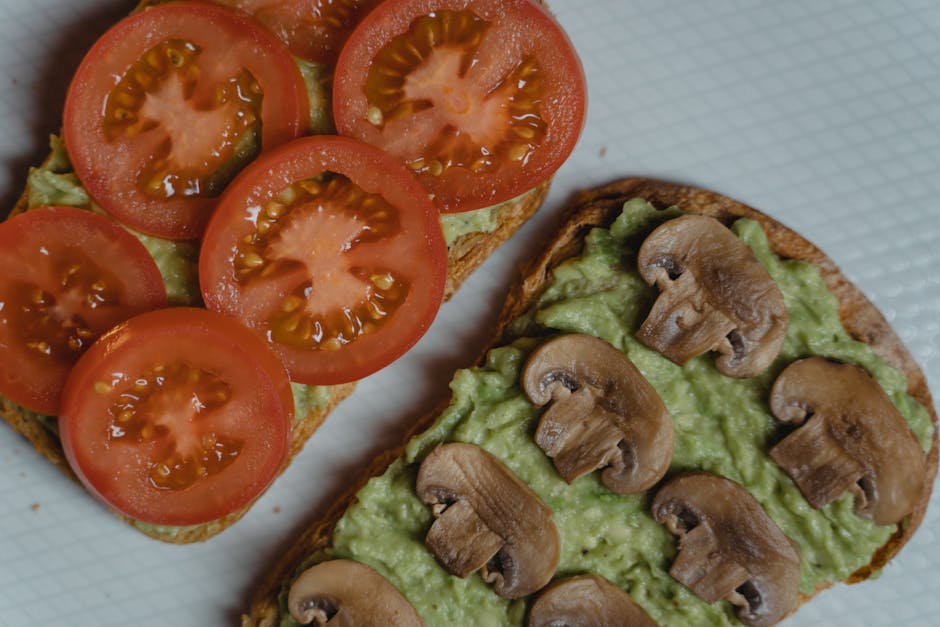
In today’s fast-paced world, the demand for quick, convenient, and delicious meals has never been higher. Whether you’re a busy professional, a student on the go, or a parent juggling multiple responsibilities, mastering the art of quick eats can transform your daily routine. But starting this journey the right way requires more than just grabbing the first snack you see. It’s about making thoughtful, efficient choices that align with your lifestyle and dietary needs. Here’s how you can begin your quick eats journey with confidence and success.
1. Define Your Goals and Priorities
Before diving into the world of quick eats, take a moment to reflect on your goals. Are you looking to save time? Improve your nutrition? Or simply reduce the stress of meal preparation? Your priorities will guide your choices. For example, if health is your focus, prioritize meals that are nutrient-dense and balanced. If speed is key, opt for recipes or pre-packaged options that require minimal preparation. Knowing your “why” will help you stay consistent and motivated.
2. Stock Up on Essential Ingredients
Having a well-stocked pantry is the foundation of any quick eats strategy. Focus on versatile ingredients that can be used in multiple dishes. Staples like whole grains (quinoa, brown rice), canned beans, frozen vegetables, and lean proteins (chicken breast, tofu) are excellent starting points. For added convenience, consider pre-chopped veggies, pre-cooked grains, and single-serving sauces or dressings. These items can significantly cut down on prep time while still allowing you to create satisfying meals.
3. Master a Few Go-To Recipes
Instead of overwhelming yourself with countless recipes, focus on mastering a handful of quick and easy meals. For instance, a stir-fry with frozen vegetables, tofu, and a simple soy-ginger sauce can be ready in under 15 minutes. Similarly, a hearty grain bowl with pre-cooked quinoa, roasted veggies, and a drizzle of tahini is both nutritious and time-efficient. Having a few reliable recipes in your arsenal ensures you’re never left scrambling for ideas.
4. Embrace Meal Prep (Even Just a Little)
Meal prep doesn’t have to mean spending hours in the kitchen every Sunday. Even small efforts can make a big difference. For example, cooking a batch of grains or roasting a tray of vegetables at the start of the week can save you valuable time later. You can also portion out snacks like nuts, fruit, or yogurt into individual containers for grab-and-go convenience. The key is to find a level of meal prep that works for your schedule.
5. Explore Ready-Made Options Wisely
Ready-made meals and snacks can be a lifesaver, but not all are created equal. When selecting pre-packaged options, read labels carefully to avoid excessive sodium, sugar, or artificial ingredients. Look for brands that prioritize whole, recognizable ingredients. For example, a pre-packaged salad with grilled chicken, mixed greens, and a simple vinaigrette can be a healthy and time-saving choice. Pair it with a piece of fruit or a handful of nuts for a complete meal.
6. Invest in Time-Saving Tools
Having the right tools in your kitchen can make a world of difference. A high-quality blender can whip up smoothies or soups in minutes, while a rice cooker can handle grains with minimal effort. Even small gadgets like a vegetable chopper or a microwave steamer can streamline meal preparation. While you don’t need to go overboard, investing in a few key tools can make your quick eats journey smoother and more enjoyable.
7. Stay Flexible and Adapt
Life is unpredictable, and your quick eats routine should be adaptable. If you’re short on time one day, don’t hesitate to rely on a simple sandwich or a bowl of cereal. The goal is to make your life easier, not to follow a rigid plan. Over time, you’ll learn what works best for you and develop a rhythm that fits seamlessly into your lifestyle.
8. Experiment and Have Fun
Starting your quick eats journey doesn’t mean sacrificing flavor or creativity. Experiment with different cuisines, spices, and ingredients to keep things exciting. For example, try adding a sprinkle of za’atar to your roasted vegetables or mixing coconut milk into your morning oatmeal for a tropical twist. The more you explore, the more you’ll discover new favorites that make quick eating a joy rather than a chore.
By following these steps, you’ll be well on your way to mastering the art of quick eats. Remember, the goal is to simplify your life without compromising on taste or nutrition. With a little planning and creativity, you can transform your meals into quick, delicious, and satisfying experiences.
The Art of Choosing the Right Accessories
Accessories can make or break an outfit, and selecting the right ones requires a keen eye for detail. Start by considering the occasion—whether it’s a formal event, casual outing, or workday. For formal settings, opt for timeless pieces like pearl earrings or a sleek clutch. Casual days call for playful items like colorful scarves or statement sunglasses. Always balance your accessories with your outfit; if your clothing is bold and patterned, choose simpler accessories to avoid overwhelming your look.
Comparative Analysis: Classic vs. Trendy Pieces
When building a wardrobe, it’s essential to strike a balance between classic and trendy pieces. Classic items, such as a tailored blazer or a little black dress, offer timeless versatility and can be worn repeatedly. Trendy pieces, on the other hand, allow you to experiment with current styles but may have a shorter lifespan. The key is to invest more in classics while sprinkling in trendy items that align with your personal style. This approach ensures your wardrobe remains fresh yet enduring.
Real-World Scenarios: Dressing for Success
Consider Sarah, a marketing professional who needed to transition her wardrobe from casual to business formal. She started by investing in a few tailored blazers, neutral-toned blouses, and structured trousers. These pieces formed the foundation of her work wardrobe, allowing her to mix and match effortlessly. She also added a pair of comfortable yet stylish heels and a sleek leather tote to complete her professional look. By focusing on versatile, high-quality items, Sarah was able to create a polished appearance without breaking the bank.
Practical Tips for Maintaining Your Wardrobe
Proper care extends the life of your clothing and keeps it looking its best. Always follow the care labels on your garments—washing delicate items on a gentle cycle and air-drying them can prevent damage. Store seasonal items properly by using garment bags or storage bins to protect them from dust and pests. Regularly declutter your wardrobe to remove items you no longer wear, making room for pieces that better suit your current style and needs.
Conclusion
Building a wardrobe that reflects your personality and meets your lifestyle needs is an ongoing process. By understanding your style preferences, balancing classic and trendy pieces, and investing in quality essentials, you can create a collection that stands the test of time. Remember, fashion is about self-expression, so have fun experimenting and refining your look as you go.