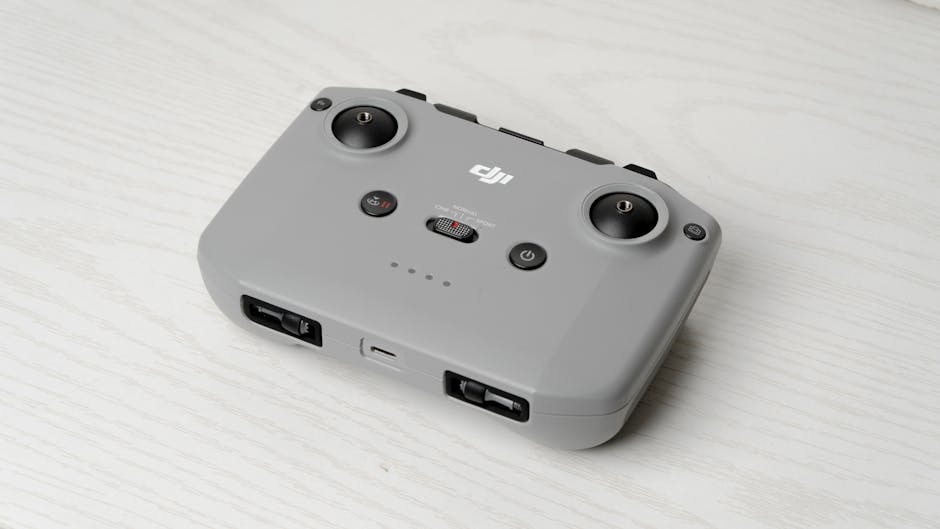
In today’s fast-paced world, smart gear has become an essential part of our daily lives. From fitness trackers to smart home devices, these technologies promise to simplify tasks, enhance productivity, and improve our overall well-being. However, diving into the world of smart gear can be overwhelming without the right approach. This guide will walk you through the steps to start your smart gear journey the right way, ensuring you make informed decisions and maximize the benefits of these innovative tools.
Understand Your Needs and Goals
Before purchasing any smart gear, it’s crucial to identify your specific needs and goals. Are you looking to improve your fitness? Do you want to streamline household chores? Or are you simply curious about the latest tech innovations? Understanding your priorities will help you narrow down your options and avoid unnecessary purchases.
For example, if fitness is your focus, a smartwatch with heart rate monitoring and activity tracking might be your best bet. On the other hand, if you’re interested in creating a smarter home, devices like smart thermostats or voice-controlled assistants could be more relevant. By aligning your purchases with your goals, you’ll ensure that your smart gear adds real value to your life.
Research Thoroughly
The smart gear market is vast, with countless products vying for your attention. To make informed decisions, invest time in researching the options available. Read reviews, compare features, and consider the reputation of the brands you’re interested in. Look for products that have consistently positive feedback and are known for their reliability.
For instance, if you’re considering a fitness tracker, explore models from reputable brands like Fitbit, Garmin, or Apple. Compare their features, such as battery life, water resistance, and compatibility with your smartphone. Thorough research will help you avoid buyer’s remorse and ensure you choose gear that meets your expectations.
Start Small and Build Gradually
It’s tempting to go all-in and purchase multiple smart devices at once, but starting small is often the smarter approach. Begin with one or two devices that address your most pressing needs. This allows you to familiarize yourself with the technology and assess its impact on your daily routine.
For example, if you’re new to smart home technology, start with a smart speaker or a smart light bulb. These entry-level devices are relatively affordable and easy to integrate into your existing setup. As you become more comfortable, you can gradually expand your collection to include more advanced gear like security cameras or smart locks.
Consider Compatibility and Integration
One of the challenges of building a smart gear ecosystem is ensuring compatibility between devices. Before making a purchase, check whether the product integrates seamlessly with other devices you own or plan to buy. Opting for products within the same ecosystem can simplify setup and enhance functionality.
For instance, if you use an iPhone, an Apple Watch might be a better fit than a smartwatch from another brand. Similarly, if you already own Amazon Echo devices, choosing smart home products that work with Alexa will ensure smoother integration. Compatibility is key to creating a cohesive and efficient smart gear setup.
Prioritize Security and Privacy
As smart gear becomes more interconnected, security and privacy concerns grow. Many devices collect and transmit personal data, making it essential to prioritize products with robust security features. Look for devices that offer encryption, regular software updates, and transparent privacy policies.
For example, when selecting a smart thermostat, ensure it has built-in security measures to protect your home network. Similarly, choose fitness trackers that allow you to control how your data is shared. Taking these precautions will help safeguard your personal information and reduce the risk of cyber threats.
Set a Budget and Stick to It
Smart gear can be a significant investment, so it’s important to set a budget before you start shopping. Determine how much you’re willing to spend and prioritize products that offer the best value for your money. While it’s tempting to splurge on the latest gadgets, staying within your budget will prevent overspending and ensure a sustainable approach to building your smart gear collection.
For example, if you’re on a tight budget, consider mid-range smartwatches or refurbished devices instead of top-tier models. Many affordable options still offer excellent features and performance. By setting a budget, you’ll make thoughtful purchases that align with your financial goals.
Learn and Adapt
Finally, remember that your smart gear journey is a learning process. As you start using your devices, take the time to explore their features and customize them to suit your needs. Don’t be afraid to experiment and make adjustments along the way.
For example, if you find that your smartwatch’s notifications are distracting, adjust the settings to minimize interruptions. If your smart thermostat isn’t saving energy as expected, tweak the scheduling features to better match your routine. By staying adaptable, you’ll get the most out of your smart gear and ensure it continues to meet your evolving needs.
Starting your smart gear journey the right way requires careful planning, research, and a willingness to learn. By following these steps, you’ll build a collection of devices that enhance your life without overwhelming you. Embrace the possibilities of smart technology, and enjoy the convenience and efficiency it brings to your daily routine.