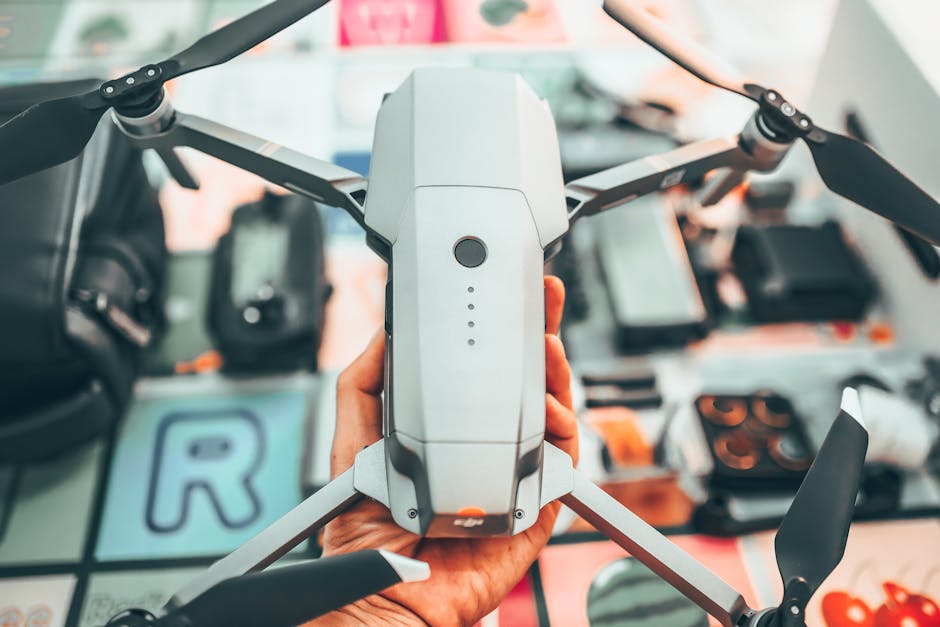
In today’s fast-paced world, smart gear has become an essential part of our daily lives. From fitness trackers to smartwatches, these devices help us stay connected, monitor our health, and streamline our routines. But how can you make the most of your existing gadgets without breaking the bank? Here are some smart ways to upgrade your smart gear and enhance its functionality.
1. Optimize Your Device Settings
Many users never explore the full potential of their smart gear simply because they don’t tweak the settings. For example, adjusting the display brightness on your smartwatch can significantly extend battery life. Similarly, enabling power-saving modes during low-usage periods can keep your device running longer. Dive into the settings menu and experiment with configurations tailored to your needs.
Example: Custom Notifications
Instead of receiving every alert, customize notifications to prioritize important calls or messages. This reduces distractions and conserves battery life.
2. Invest in Quality Accessories
Sometimes, a small accessory can make a big difference. Upgrading to a premium band for your fitness tracker can improve comfort and durability. Screen protectors and cases are also worthwhile investments to safeguard your device from scratches and drops.
Example: Wireless Charging Pads
If your smart gear supports wireless charging, investing in a fast-charging pad can save time and reduce wear on charging ports.
3. Keep Software Updated
Manufacturers frequently release software updates to improve performance, add features, and fix bugs. Neglecting these updates means missing out on optimizations that could extend your device’s lifespan. Set your gear to update automatically or check for updates regularly.
Example: New Health Features
Many fitness trackers introduce new health metrics, like blood oxygen monitoring or stress tracking, through software updates.
4. Leverage Companion Apps
Most smart gear comes with companion apps that unlock additional functionalities. Explore these apps to discover hidden features, such as advanced workout modes or sleep analysis tools. Syncing your device with other apps, like nutrition trackers, can also provide a more holistic view of your health.
Example: Smart Home Integration
Some smartwatches can control smart home devices, allowing you to adjust lights or thermostats directly from your wrist.
5. Repurpose Older Devices
Don’t discard older smart gear—repurpose it! An outdated fitness tracker can become a dedicated sleep monitor, while an old smartwatch can serve as a bedside clock or a remote control for media playback.
Example: Kids’ Activity Tracker
Hand down your previous fitness tracker to a child to encourage physical activity and teach them about health metrics.
6. Explore Third-Party Apps
Beyond manufacturer-provided apps, third-party developers often create tools that enhance your device’s capabilities. Whether it’s a specialized workout app or a custom watch face, these additions can breathe new life into your gear.
Example: Advanced Sleep Analysis
Some third-party apps offer deeper insights into sleep patterns than the default software, helping you optimize rest.
7. Maintain Your Gear Properly
Regular maintenance ensures your smart gear performs at its best. Clean sensors and charging ports to prevent connectivity issues, and store devices in a cool, dry place to avoid battery degradation.
Example: Cleaning Tips
Use a microfiber cloth to wipe down screens and a soft brush to remove dust from crevices.
8. Pair with Other Devices
Maximize your smart gear’s potential by pairing it with other gadgets. For instance, sync your fitness tracker with a smart scale to track weight trends alongside activity levels. Connecting your smartwatch to wireless earbuds can also enhance your music experience during workouts.
Example: Smartphone Integration
Many smartwatches allow you to respond to texts or take calls directly from your wrist when paired with a smartphone.
Final Thoughts
Upgrading your smart gear doesn’t always require buying the latest model. By optimizing settings, investing in accessories, and exploring software enhancements, you can unlock new functionalities and extend the life of your devices. Start with these practical tips to get the most out of your tech.
Essential Tips for Mastering the Art of French Cooking
French cuisine is renowned for its elegance and precision, but mastering it doesn’t have to be intimidating. Start by focusing on foundational techniques like sautéing, braising, and making a proper roux. These methods form the backbone of countless French dishes and will give you the confidence to experiment with more complex recipes.
Comparing Classic French Dishes
Understanding the nuances between similar dishes can elevate your cooking. For example, while both Coq au Vin and Boeuf Bourguignon are slow-cooked stews, the former uses chicken and red wine, while the latter relies on beef and often incorporates pearl onions and mushrooms. Each dish has its own distinct flavor profile, so experimenting with both will deepen your appreciation for French culinary traditions.
Real-World Scenarios
Imagine hosting a dinner party and wanting to impress your guests with a French-inspired menu. Start with a light appetizer like Gougères (cheese puffs), followed by a main course of Ratatouille paired with a perfectly seared steak. Finish with a classic dessert like Crème Brûlée. Planning a balanced menu ensures a memorable dining experience that showcases your skills.
Practical Guidance for Everyday Cooking
Incorporating French techniques into daily meals can be simple. For instance, learn to deglaze your pan with wine or broth after sautéing to create a flavorful sauce. Stock your pantry with essentials like Dijon mustard, Herbes de Provence, and high-quality olive oil. These small adjustments can transform ordinary meals into something extraordinary.
Pairing Food and Wine
No French meal is complete without the right wine pairing. For lighter dishes like fish or salads, opt for a crisp Sauvignon Blanc or Pinot Grigio. Heartier meals like Cassoulet or Duck Confit pair beautifully with robust reds such as Bordeaux or Syrah. Experimenting with pairings will enhance both the food and the wine.
By focusing on these practical tips and real-world applications, you can bring the sophistication of French cooking into your kitchen with confidence and flair.