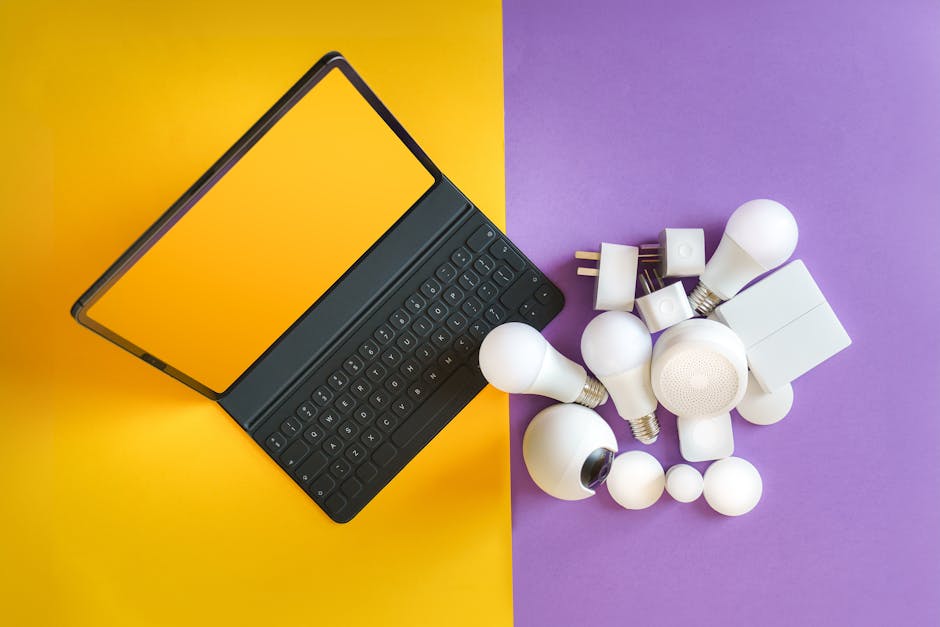
The world of smart gear is evolving at an unprecedented pace, transforming how we interact with technology in our daily lives. From wearable devices to connected home appliances, innovation is driving functionality, convenience, and sustainability. Here, we explore the top trends that are shaping the future of smart gear and what they mean for consumers and industries alike.
1. Integration of Health and Wellness Features
Health and wellness have become a central focus for smart gear manufacturers. Wearables like fitness trackers and smartwatches are no longer limited to counting steps or monitoring heart rates. The latest devices offer advanced features such as blood oxygen level monitoring, sleep pattern analysis, and even stress management tools. For instance, some smartwatches now include guided breathing exercises and ECG capabilities, providing users with actionable insights into their overall health.
This trend extends beyond wearables. Smart scales can now measure body composition, including muscle mass and water percentage, while connected blood pressure monitors sync seamlessly with apps to track long-term trends. As consumers become more health-conscious, the demand for devices that offer comprehensive wellness solutions will continue to grow.
2. Sustainability and Eco-Friendly Design
As environmental concerns take center stage, sustainability is becoming a key consideration in the development of smart gear. Manufacturers are increasingly using recycled materials, reducing packaging waste, and designing products with longer lifespans. For example, some companies are producing solar-powered smartwatches that reduce the need for frequent charging, while others are creating modular devices that allow users to replace individual components instead of discarding the entire product.
This shift toward eco-friendly design is not just about materials. Energy-efficient technologies are being integrated into smart gear to minimize power consumption. Smart thermostats, for instance, optimize heating and cooling based on occupancy, reducing energy usage and lowering carbon footprints. As consumers prioritize sustainability, brands that embrace green practices will stand out in the market.
3. Enhanced Connectivity and Interoperability
The future of smart gear lies in seamless connectivity. Devices are becoming more interconnected, allowing users to control multiple gadgets through a single platform. Smart home ecosystems, for example, enable users to sync lighting, security systems, and appliances for a unified experience. Voice assistants like Amazon Alexa and Google Assistant are playing a pivotal role in this trend, enabling hands-free control of various devices.
Interoperability is also improving, with manufacturers adopting universal standards to ensure compatibility across brands. This means a smart thermostat from one company can communicate with a smart lock from another, creating a more cohesive and user-friendly environment. As connectivity becomes more robust, the potential for smart gear to enhance everyday life will only expand.
4. Personalization and Adaptive Technology
Personalization is a driving force in the smart gear industry, with devices becoming increasingly tailored to individual needs. Smartphones, for instance, now use machine learning to adapt to user habits, offering customized app suggestions and optimizing battery usage. Wearables are following suit, with fitness trackers providing personalized workout plans based on user data.
Adaptive technology is also making its way into smart clothing. For example, some jackets now feature built-in heating elements that adjust to the wearer’s body temperature, ensuring comfort in varying weather conditions. As smart gear becomes more personalized, it will offer users a more intuitive and satisfying experience.
5. Augmented Reality (AR) Integration
Augmented reality is poised to revolutionize the smart gear landscape. AR glasses, for instance, are being developed to overlay digital information onto the physical world, enhancing everything from navigation to gaming. Imagine walking through a city and receiving real-time directions or information about nearby landmarks through your glasses.
This technology is also being integrated into fitness gear. Smart mirrors with AR capabilities can provide real-time feedback on workout form, while AR-enabled cycling helmets display route information directly in the rider’s line of sight. As AR technology advances, the possibilities for its application in smart gear are virtually limitless.
6. Focus on Privacy and Security
With the increasing prevalence of connected devices, privacy and security have become critical concerns. Manufacturers are prioritizing the development of secure hardware and software to protect user data. For example, smart home devices now often include end-to-end encryption, ensuring that sensitive information remains private.
Biometric authentication is another emerging trend, with devices like smart locks and smartphones using fingerprint or facial recognition to enhance security. As smart gear becomes more integrated into our lives, robust privacy measures will be essential to maintaining user trust.
7. Expanding Applications in Industry and Beyond
Smart gear is not just for consumers—it’s also transforming industries. In healthcare, wearable devices are being used to monitor patients remotely, reducing the need for hospital visits. In manufacturing, smart helmets with built-in augmented reality are improving worker safety and efficiency. Even in agriculture, smart sensors are optimizing irrigation and crop management.
This trend highlights the versatility of smart gear and its potential to revolutionize various sectors. As technology continues to advance, we can expect to see even more innovative applications that enhance productivity and quality of life.
Conclusion
The future of smart gear is bright, driven by advancements in health, sustainability, connectivity, personalization, augmented reality, privacy, and industry applications. These trends are not only shaping the devices we use but also redefining how we live, work, and interact with the world around us. As consumers, staying informed about these developments will help us make smarter choices and fully embrace the potential of this evolving technology.