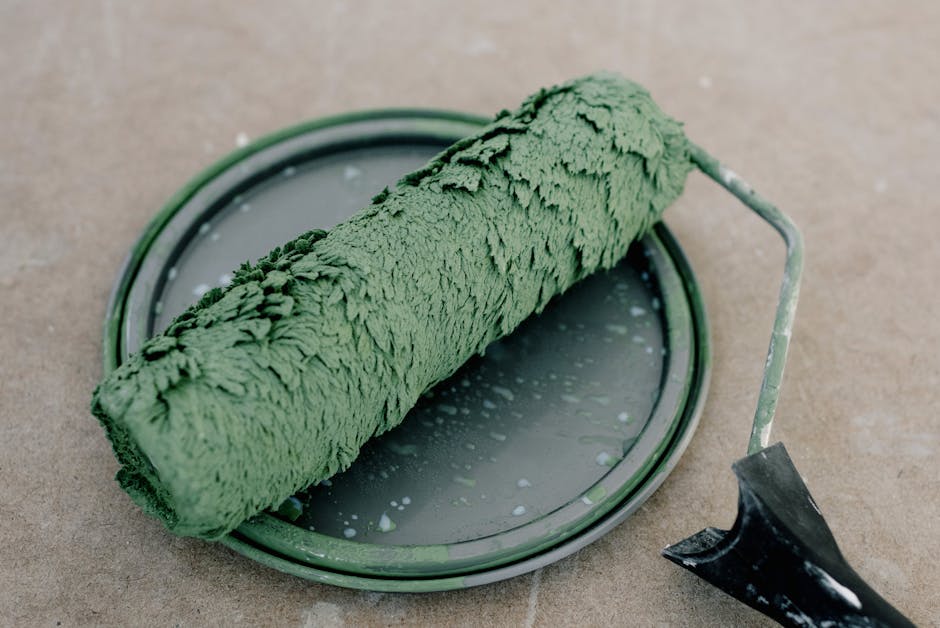
Whether you’re tackling a minor repair or planning a larger renovation, improving your home fix doesn’t have to be overwhelming. With the right approach and a bit of planning, you can achieve professional-looking results without breaking the bank. Here’s a step-by-step guide to help you elevate your home repair game.
1. Assess the Situation
Before diving into any project, take a moment to thoroughly assess the issue. Identify the root cause of the problem and determine whether it’s something you can handle yourself or if it requires professional assistance. For example, a squeaky door hinge might just need lubrication, while a cracked wall could indicate structural issues that need expert attention.
Action Tip: Keep a notebook or digital document to jot down observations and prioritize tasks based on urgency and complexity.
2. Gather the Right Tools
Having the proper tools on hand is essential for any home fix. A well-equipped toolbox can save you time and frustration. Basic tools like a hammer, screwdrivers, pliers, a tape measure, and a utility knife are must-haves. For more specialized tasks, consider investing in a cordless drill, a level, or a stud finder.
Action Tip: Organize your tools in a clearly labeled toolbox or storage system to ensure you can find what you need quickly.
3. Plan Your Approach
A well-thought-out plan can make all the difference. Break down the project into manageable steps and estimate the time and materials required. For instance, if you’re painting a room, plan for prep work like cleaning walls, taping edges, and priming, followed by the actual painting and cleanup.
Action Tip: Create a checklist to track your progress and ensure you don’t skip any steps.
4. Focus on Quality Materials
Using high-quality materials can significantly improve the durability and appearance of your home fix. While it might be tempting to opt for cheaper options, investing in good paint, sturdy hardware, or durable flooring will pay off in the long run.
Action Tip: Research product reviews and consult with experts at your local hardware store to choose the best materials for your project.
5. Master Basic Techniques
Even if you’re not a seasoned DIYer, mastering a few basic techniques can go a long way. Learn how to properly caulk gaps, patch small holes in drywall, or rewire a light fixture. These skills will not only save you money but also give you the confidence to tackle more complex projects in the future.
Action Tip: Watch tutorial videos or attend workshops to hone your skills and learn new techniques.
6. Pay Attention to Detail
The difference between a good home fix and a great one often lies in the details. Take the time to sand surfaces smooth, align fixtures perfectly, or ensure paint edges are crisp. These small touches can elevate the overall result and make your work look more professional.
Action Tip: Use masking tape to protect areas you don’t want to paint or damage during repairs.
7. Clean Up Thoroughly
A clean workspace is essential for both safety and efficiency. After completing your project, take the time to clean up any debris, wipe down surfaces, and properly store your tools. This not only ensures a tidy home but also extends the life of your tools.
Action Tip: Keep a trash bin and cleaning supplies nearby to make cleanup easier as you work.
8. Maintain Regular Upkeep
Preventative maintenance can help you avoid costly repairs down the line. Regularly inspect your home for signs of wear and tear, such as loose tiles, dripping faucets, or peeling paint. Addressing these issues early can save you time and money.
Action Tip: Schedule seasonal maintenance tasks, like cleaning gutters or checking for drafts, to keep your home in top shape.
9. Seek Feedback
Don’t hesitate to ask for feedback from family members or friends. A fresh perspective can help you identify areas for improvement or suggest creative solutions you might not have considered.
Action Tip: Share photos of your work with trusted individuals and ask for their honest opinions.
10. Celebrate Your Success
Finally, take a moment to appreciate your hard work. Whether you’ve fixed a leaky faucet, repainted a room, or installed new shelves, completing a home fix is an accomplishment worth celebrating.
Action Tip: Treat yourself to something special, like a favorite meal or a relaxing evening, as a reward for your efforts.
By following these simple steps, you can improve your home fix projects and create a more comfortable, functional, and beautiful living space. Remember, patience and persistence are key—every repair or renovation is an opportunity to learn and grow.
Mastering the Art of Layering Fragrances
Layering fragrances is a nuanced art that can elevate your scent profile to new heights. Start with a base note, such as musk or sandalwood, to create a lasting foundation. Next, add a middle note like jasmine or rose for complexity. Finish with a top note, such as citrus or bergamot, for an initial burst of freshness. Experiment with different combinations to discover what resonates with your personal style.
Seasonal Scents: Adapting to the Weather
Your fragrance choices should evolve with the seasons. In summer, opt for light, citrusy scents that feel refreshing in the heat. Winter calls for deeper, warmer notes like vanilla or amber to complement the cozy atmosphere. Spring is perfect for floral fragrances that mirror blooming gardens, while autumn benefits from earthy scents like patchouli or cedarwood.
Fragrance Etiquette: Dos and Don’ts
When wearing fragrance, subtlety is key. Avoid over-applying, as this can overwhelm those around you. Apply to pulse points like wrists, neck, and behind the ears for a balanced diffusion. Be mindful of your environment—strong scents may not be suitable for close quarters like offices or public transport. Additionally, consider the occasion; a casual daytime scent may differ from a sophisticated evening fragrance.
Comparing Popular Fragrance Families
Understanding fragrance families can help you navigate the vast world of scents. Floral fragrances, like rose or lily, are timeless and feminine. Woody scents, such as sandalwood or vetiver, exude warmth and sophistication. Fresh fragrances, like citrus or marine notes, are invigorating and clean. Oriental scents, featuring vanilla or spice, are rich and sensual. Explore each family to find your signature aroma.
Real-World Scenarios: Fragrance for Every Occasion
Tailoring your fragrance to specific situations can leave a lasting impression. For a job interview, choose a subtle, professional scent like lavender or bergamot. On a date, opt for something romantic and alluring, such as jasmine or musk. For a casual outing, a light, fresh fragrance like lemon or mint works beautifully. Consider the mood and context to make your scent a seamless part of the experience.