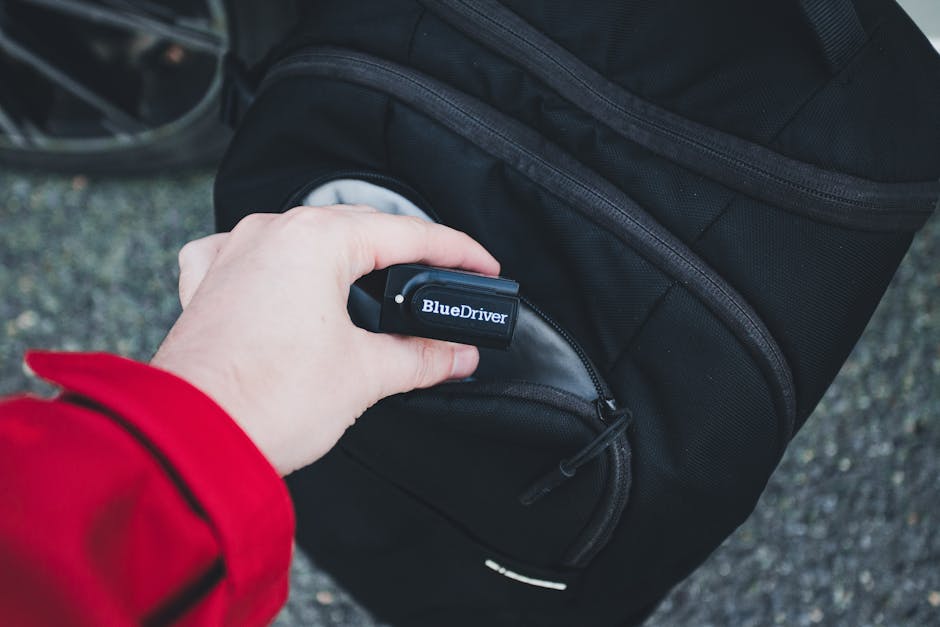
In today’s fast-paced world, smart gear has become an integral part of our daily lives. From fitness trackers to smart home devices, these tools promise to simplify our routines, enhance productivity, and improve overall well-being. However, many users fall into common pitfalls that can diminish the effectiveness of their smart gear or even lead to frustration. In this article, we’ll explore some of the most frequent mistakes people make with their smart devices and provide actionable advice on how to avoid them.
1. Ignoring Compatibility Issues
One of the most common mistakes is failing to ensure compatibility between devices. For example, purchasing a smartwatch that doesn’t sync seamlessly with your smartphone can render many features useless. Similarly, investing in a smart home hub that doesn’t support your existing devices can lead to disappointment.
How to Avoid: Before purchasing any smart gear, thoroughly research its compatibility with your current ecosystem. Check the manufacturer’s website for detailed specifications and user reviews to confirm that the device will integrate smoothly with your existing setup.
2. Overlooking Battery Life
Battery life is a critical factor that often gets overlooked. Many users assume that smart devices will last a full day or more on a single charge, only to find themselves constantly scrambling for a charger. For instance, a fitness tracker with poor battery life can interrupt your workout routine and leave you without critical data.
How to Avoid: Prioritize devices with long battery life or fast-charging capabilities. Read reviews and user feedback to gauge real-world battery performance. Additionally, consider carrying a portable charger for emergencies, especially when traveling.
3. Neglecting Software Updates
Smart gear relies heavily on software to function optimally. However, many users ignore software updates, leaving their devices vulnerable to bugs, security issues, and reduced performance. For example, skipping updates on a smart thermostat could result in inefficient energy usage or connectivity problems.
How to Avoid: Enable automatic updates whenever possible, or set reminders to manually check for updates regularly. Staying on top of software updates ensures your devices run smoothly and securely.
4. Overcomplicating Setup Processes
Another common mistake is rushing through the setup process, leading to incomplete configurations or improper installations. For instance, failing to calibrate a smart scale accurately can result in incorrect weight measurements, rendering the device ineffective.
How to Avoid: Take your time to follow setup instructions meticulously. Refer to user manuals or online tutorials if needed. Ensure that all settings are configured correctly to maximize the device’s potential.
5. Ignoring Privacy and Security Settings
Smart gear often collects sensitive data, making privacy and security a top concern. Many users neglect to customize privacy settings, leaving their personal information exposed. For example, a smart camera with default settings might inadvertently share footage with unauthorized users.
How to Avoid: Review and adjust privacy and security settings immediately after setup. Use strong, unique passwords and enable two-factor authentication where available. Regularly monitor your devices for any unusual activity.
6. Overloading on Features
Smart gear often comes packed with features, but not all of them are necessary or useful. Overloading your device with unnecessary functionalities can lead to confusion and reduced performance. For instance, using every feature on a smartwatch might drain its battery faster and overwhelm you with notifications.
How to Avoid: Focus on the features that align with your needs and disable the ones you don’t require. Customize settings to streamline your experience and avoid clutter.
7. Failing to Maintain Devices
Smart gear requires regular maintenance to function optimally. Neglecting basic upkeep, such as cleaning sensors or updating firmware, can lead to malfunctions. For example, dirty sensors on a fitness tracker can result in inaccurate readings.
How to Avoid: Establish a routine for maintaining your devices. Clean them regularly, update firmware, and replace worn-out components like straps or batteries. Proper maintenance ensures longevity and reliability.
8. Disregarding User Feedback and Reviews
Many users make the mistake of purchasing smart gear without consulting user feedback or reviews. This can lead to buying devices that don’t meet expectations or have unresolved issues. For instance, a smart speaker with poor sound quality might have been avoided by reading customer reviews beforehand.
How to Avoid: Always research user reviews and expert opinions before making a purchase. Look for patterns in feedback to identify potential drawbacks or strengths of the product.
Conclusion
Smart gear has the potential to revolutionize the way we live, but only if used correctly. By avoiding these common mistakes, you can ensure that your devices deliver the maximum benefit and enhance your daily life. Take the time to research, configure, and maintain your smart gear, and you’ll be well on your way to a seamless and efficient experience.
Practical Tips for Everyday Application
Incorporating these strategies into your daily routine doesn’t have to be overwhelming. Start small by identifying one or two areas where you can make immediate improvements. For example, if you’re looking to enhance your skincare regimen, focus on consistency rather than complexity. A simple routine of cleansing, moisturizing, and sun protection can yield significant results over time.
Another practical tip is to prioritize quality over quantity. Whether it’s building a wardrobe or choosing ingredients for a meal, investing in fewer, higher-quality items often leads to better outcomes and long-term satisfaction. This approach not only saves money but also reduces waste, aligning with sustainable practices.
Comparative Insights: What Works Best?
When comparing different methods or products, it’s essential to consider your unique needs and preferences. For instance, when choosing a workout routine, compare high-intensity interval training (HIIT) with steady-state cardio. While HIIT offers quick results in a shorter time, steady-state cardio may be more sustainable for those who prefer low-impact exercises. Understanding these nuances helps you make informed decisions tailored to your lifestyle.
In the realm of nutrition, comparing plant-based diets with traditional omnivorous diets reveals distinct benefits and challenges. Plant-based diets are often praised for their environmental impact and health benefits, but they require careful planning to ensure adequate nutrient intake. On the other hand, an omnivorous diet provides a broader range of nutrients but may come with ethical or environmental concerns. Weighing these factors helps you choose the approach that aligns with your values and goals.
Real-World Scenarios: Putting Ideas into Practice
Let’s consider a real-world scenario: planning a weekend getaway. Start by setting a budget and identifying your priorities—whether it’s relaxation, adventure, or cultural exploration. Research destinations that align with your interests and compare accommodations, activities, and travel times. Booking in advance can save money and ensure availability, but remaining flexible allows you to take advantage of last-minute deals.
Another example is navigating a career transition. Begin by assessing your skills, interests, and long-term goals. Network with professionals in your desired field to gain insights and potential opportunities. Comparing different industries or roles can help you identify the best fit. Remember, a well-thought-out plan combined with adaptability increases your chances of success.
By applying these practical tips, comparative insights, and real-world examples, you can make informed decisions that enhance your daily life and long-term goals. The key is to stay curious, open-minded, and proactive in your approach.