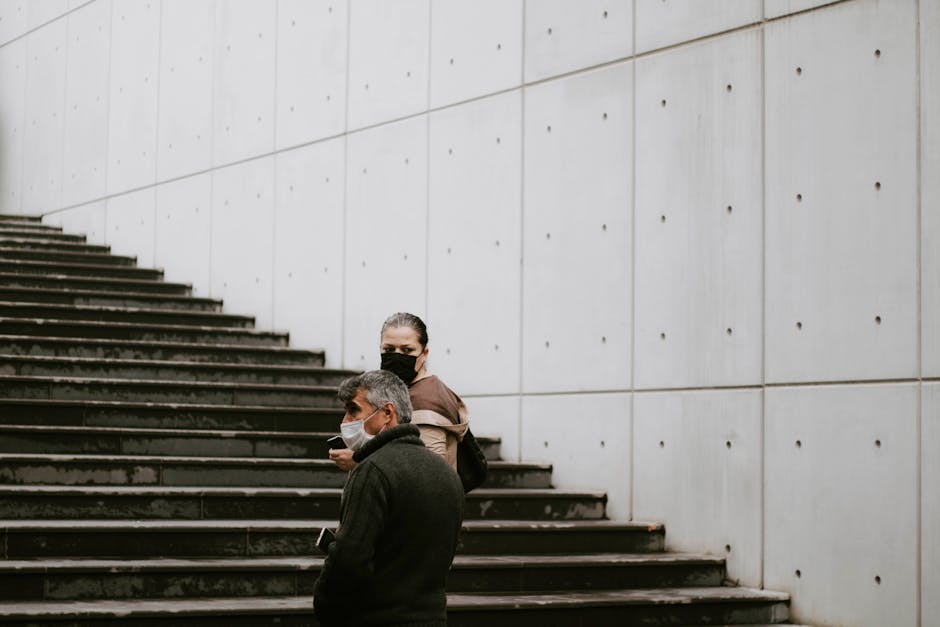
Living in a bustling city offers countless opportunities, but it also presents unique health challenges. From polluted air to sedentary lifestyles, urban environments can take a toll on well-being if not managed carefully. Recognizing common mistakes—and learning how to avoid them—can help city dwellers maintain better health. Here’s a breakdown of frequent missteps and practical solutions.
1. Neglecting Air Quality
Urban areas often grapple with poor air quality due to traffic, industrial activity, and construction. Many residents underestimate the impact of prolonged exposure to polluted air, which can exacerbate respiratory conditions, allergies, and even cardiovascular issues.
How to Avoid It:
- Monitor air quality indexes (AQI): Use reliable apps or websites to check daily pollution levels. Limit outdoor activities when AQI is high.
- Invest in air purifiers: Place them in bedrooms and workspaces to reduce indoor pollutants.
- Choose green routes: Walk or bike through parks or less congested streets to minimize exposure to vehicle emissions.
2. Overlooking Noise Pollution
Constant noise from traffic, construction, and nightlife can lead to chronic stress, sleep disturbances, and even hearing loss over time. Many urbanites become desensitized to noise, ignoring its cumulative effects.
How to Avoid It:
- Use noise-canceling headphones: Opt for them during commutes or while working in noisy environments.
- Soundproof your space: Add thick curtains, rugs, or white noise machines to create a quieter home environment.
- Take quiet breaks: Seek out libraries, gardens, or cafes with a calm atmosphere to give your ears a rest.
3. Skipping Physical Activity
City life often involves long hours sitting in offices or commuting, leading to sedentary habits. Many people assume walking short distances or taking public transit counts as sufficient exercise, but it rarely meets recommended activity levels.
How to Avoid It:
- Schedule movement: Set reminders to stand, stretch, or take short walks during the day.
- Explore urban fitness options: Join a local gym, attend outdoor yoga classes, or try stair climbing in high-rise buildings.
- Walk or bike more: Replace short rides with walking or cycling whenever possible.
4. Poor Dietary Choices
Fast food chains and convenience stores dominate urban landscapes, making it easy to opt for processed, high-calorie meals. Busy schedules also lead to skipped meals or reliance on delivery apps, which often lack nutritional balance.
How to Avoid It:
- Meal prep: Dedicate time weekly to prepare healthy, portable meals.
- Support local markets: Buy fresh produce from farmers’ markets or grocery stores with whole-food options.
- Limit takeout: Reserve delivery for occasional treats rather than daily habits.
5. Ignoring Mental Health
The fast pace and competitive nature of city life can heighten stress, anxiety, and feelings of isolation. Many urban dwellers prioritize work or social obligations over self-care, dismissing early signs of burnout.
How to Avoid It:
- Practice mindfulness: Incorporate meditation, deep breathing, or journaling into daily routines.
- Seek community: Join clubs, volunteer groups, or fitness classes to build meaningful connections.
- Set boundaries: Learn to say no to excessive commitments and carve out downtime.
6. Inconsistent Sleep Patterns
Late-night events, artificial lighting, and noise disruptions often lead to irregular sleep schedules. Chronic sleep deprivation weakens immunity, impairs cognition, and increases stress levels.
How to Avoid It:
- Establish a routine: Go to bed and wake up at consistent times, even on weekends.
- Create a sleep-friendly environment: Use blackout curtains, earplugs, or soothing sounds to block urban disturbances.
- Limit screen time: Reduce exposure to phones and TVs before bedtime to improve sleep quality.
7. Underestimating Sun Exposure
While cities may lack beaches, UV rays still pose risks—especially with reflective surfaces like glass buildings and pavement. Many people skip sunscreen unless spending extended time outdoors, increasing the risk of skin damage.
How to Avoid It:
- Apply sunscreen daily: Use broad-spectrum SPF 30+ even on cloudy days or during short commutes.
- Wear protective clothing: Hats and sunglasses help shield against harmful rays.
- Seek shade: Walk on the shaded side of streets or take breaks under awnings or trees.
Final Thoughts
Urban living doesn’t have to come at the expense of health. By recognizing these common pitfalls—and adopting proactive strategies—city residents can thrive physically and mentally. Small, consistent changes make a significant difference in navigating the challenges of metropolitan life while staying healthy and energized.
Mastering the Art of Layering
Layering is a timeless technique that can elevate your outfit from basic to extraordinary. Start with a base layer, such as a fitted tee or tank top, and build from there. Add a lightweight cardigan or flannel shirt for a casual look, or opt for a structured blazer for a more polished appearance. The key is to play with textures and lengths—pair a long coat with a cropped sweater or mix a chunky knit with a sleek trench. Layering isn’t just for winter; lightweight scarves, kimonos, and vests can add depth to your summer wardrobe too.
Accessorizing with Intention
Accessories are the finishing touches that can make or break an outfit. Choose pieces that complement your look without overwhelming it. A statement necklace can transform a simple dress, while a sleek belt can define your waist and add structure. Don’t forget about bags and shoes—they should align with the overall vibe of your ensemble. For example, a crossbody bag pairs well with a casual outfit, while a clutch is perfect for evening wear. When it comes to jewelry, less is often more. A single standout piece can be more impactful than a cluster of smaller items.
Seasonal Style Transitions
Transitioning your wardrobe between seasons can be a challenge, but it’s also an opportunity to get creative. In the fall, layer summer dresses with tights, boots, and a cozy jacket. For spring, swap out heavy fabrics for lighter materials like linen and cotton. Incorporate seasonal colors and patterns to keep your look fresh. For example, pastels are perfect for spring, while rich jewel tones work well in the fall. Don’t be afraid to mix and match pieces from different seasons to create unique, weather-appropriate outfits.
Real-World Styling Scenarios
Let’s explore a few real-world scenarios to put these tips into practice. For a day at the office, pair tailored trousers with a crisp button-down shirt and a structured blazer. Add a pair of loafers or pumps for a professional finish. For a weekend brunch, opt for a flowy midi skirt, a tucked-in graphic tee, and sneakers for a relaxed yet stylish look. Heading to a formal event? A sleek jumpsuit or a tailored dress paired with statement earrings and heels will ensure you stand out. Remember, confidence is the ultimate accessory—wear what makes you feel your best.